
How to Choose the Right Fishing Kayak for Australian Conditions
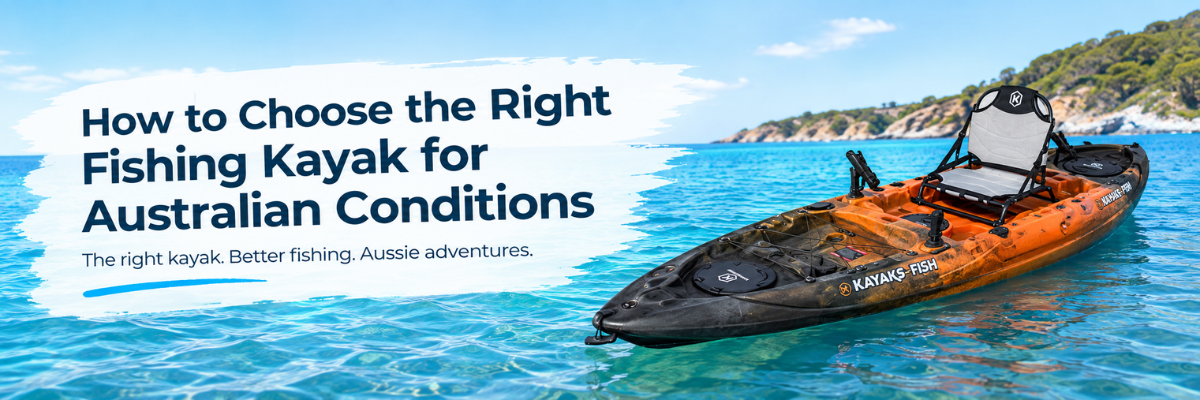
Australia offers an incredible variety of fishing environments, from calm inland lakes and rivers to estuaries, bays and coastal waters. For anglers who enjoy exploring these locations, a fishing kayak can provide an enjoyable and practical way to reach areas that may be difficult to access from the shore.
However, choosing the right kayak is not simply about finding the longest, widest or most feature-packed model available. Different waterways and fishing styles require different characteristics. Stability, storage, weight capacity, propulsion, comfort and transport can all affect how suitable a kayak is for a particular angler.
With so many Fishing Kayaks available today, understanding what to look for before making a purchase can help anglers choose a platform that suits their local conditions and fishing habits.
Consider Where You Will Fish
The first question to ask is where the kayak will primarily be used.
Australian anglers have access to a wide range of environments, and conditions can vary significantly between them.
Lakes and Dams
Lakes and dams can provide relatively calm conditions and are often suitable for anglers who are new to kayak fishing. However, wind can still create challenging conditions on larger bodies of water.
For lake fishing, look for a kayak that offers good stability, comfortable seating and enough storage for a day's equipment.
Rivers
River fishing can involve narrow waterways, changing depths and areas with stronger currents. Manoeuvrability can therefore be particularly important.
A kayak that is easy to control and turn can be useful when navigating around bends, structures and shallow areas.
Estuaries
Estuaries are popular fishing environments because they can provide access to a variety of species and habitats. Conditions can change with tides, wind and water movement.
Anglers fishing estuaries should consider stability, tracking, storage and the ability to manage changing conditions.
Coastal Waters
Coastal fishing can expose kayaks to greater wind, waves and changing weather conditions. Anglers venturing into coastal waters need to pay particular attention to stability, capacity, safety equipment and the kayak's intended operating environment.
A kayak designed primarily for calm inland water may not necessarily be the right choice for more exposed conditions.
Stability Is One of the Most Important Features
For many anglers, stability is a major consideration when choosing a fishing kayak.
Fishing involves more movement than simply sitting and paddling. Anglers may need to cast, retrieve lures, handle fish, reach for tackle and move equipment around the kayak.
A stable platform can provide greater confidence, particularly for beginners.
However, stability should be considered alongside other characteristics. Extremely wide kayaks may provide excellent initial stability but can behave differently when travelling through the water. The goal is to find a balance between stability, manoeuvrability, tracking and performance that suits the intended fishing environment.
Think About Kayak Length
Kayak length can influence performance, storage and transportation.
Longer kayaks can provide additional space for fishing equipment and may track efficiently when travelling in a straight line. They can be appealing to anglers who regularly cover longer distances or carry a substantial amount of gear.
Shorter kayaks, on the other hand, can be easier to transport and manoeuvre. They may be particularly attractive to anglers who fish smaller waterways or need a kayak that is easier to handle alone.
There is no universally perfect kayak length. The right choice depends on the angler, the fishing environment and how the kayak will be transported.
Check the Weight Capacity
One of the easiest mistakes to make when buying a fishing kayak is considering only the angler's body weight.
The kayak also needs to carry everything else on board.
This can include:
- Fishing rods and reels
- Tackle boxes
- Lures and bait
- Food and water
- Safety equipment
- Batteries
- Fish finders
- Additional accessories
- Personal belongings
- Other fishing equipment
When comparing Fishing Kayaks, always consider the total expected load rather than just the user's weight.
Having some additional capacity can also provide a more comfortable and practical setup.
Storage Can Make or Break a Fishing Trip
Fishing requires equipment, and keeping that equipment organised is particularly important when space is limited.
Look for a kayak with storage that matches the way you fish. Depending on the model, this may include hatches, tank wells, bow storage, side storage or dedicated areas for fishing accessories.
Think about the equipment you normally take on a fishing trip and where each item will go.
Frequently used items should be easy to access without requiring excessive movement. Less frequently used equipment can be stored in compartments that are accessed when needed.
Good storage isn't simply about having the largest possible capacity. It is about having useful and accessible storage.
Decide Between Paddle, Pedal and Electric Propulsion
Propulsion is another important consideration.
Traditional paddle kayaks remain popular because they are straightforward, lightweight and relatively simple to operate.
Pedal-drive kayaks provide an alternative that allows anglers to use their legs for propulsion while keeping their hands available for fishing. This can be particularly useful when covering distance or working a fishing area.
Modern electric and e-assist systems add another option. These can help anglers travel further, manage wind or current and reduce physical effort.
When choosing a kayak, think about how far you normally travel during a fishing trip and what type of water you encounter.
An angler fishing a small, calm lake may have completely different propulsion requirements from someone regularly exploring a large estuary.
Don't Overlook Comfort
A kayak may look impressive in a showroom or product photograph, but comfort becomes much more important once you spend several hours on the water.
A good fishing kayak should provide a seating position that supports the back and allows the angler to maintain a comfortable posture.
Adjustability can also be valuable. The ability to modify the seat or foot position can help accommodate different body sizes and fishing styles.
For anglers who regularly spend most of the day on the water, investing in a kayak with a well-designed seating system can make a significant difference to the overall experience.
Consider Transport Before You Buy
A kayak is only useful if you can get it to the water.
Before choosing a model, think about how it will be transported.
Some anglers use:
- Roof racks
- Kayak trailers
- Utes
- Dedicated kayak carriers
- Trolleys for moving the kayak from the vehicle to the water
A larger kayak may offer more fishing space and capacity but can also require more effort to load and transport.
If you regularly fish alone, consider whether you can comfortably move and launch the kayak without assistance.
This is one reason why visiting a best kayak shop Australia anglers trust can be helpful. Seeing different kayak sizes in person can give you a much better understanding of their weight, dimensions and practicality.
Think About the Fishing Equipment You Want to Carry
Your kayak should complement your fishing setup.
An angler carrying a single rod and a small tackle box may have very different requirements from someone carrying multiple rods, a large tackle system, a fish finder, batteries and additional equipment.
Before buying, make a list of the equipment you normally take fishing.
Then ask:
Where will everything go?
If you cannot answer that question, the kayak may not provide the practical setup you need.
It is also important to avoid unnecessary clutter. More equipment does not automatically mean a better fishing experience. A well-organised kayak can be easier and safer to fish from.
Buying Kayaks Online vs Visiting a Store
Today, anglers have more ways to purchase kayaks than ever before. Kayaks online can make it easy to compare different models, specifications and prices from home.
Online shopping can be particularly useful during the research stage. Customers can compare dimensions, weight capacities, storage options and available features before narrowing down their choices.
However, buying from an established kayak retailer can provide additional advantages.
A knowledgeable retailer can help explain the differences between models and recommend accessories based on the type of fishing an angler intends to do.
For customers purchasing kayaks online, it is worth checking the retailer's delivery options, warranty information, spare parts availability and after-sales support before placing an order.
Think About Accessories Before Making Your Decision
The kayak itself is only one part of a complete fishing setup.
Depending on the model and fishing environment, anglers may consider accessories such as:
- Rod holders
- Kayak trolleys
- Fish finders
- Batteries
- Anchor systems
- Paddle holders
- Dry bags
- Storage solutions
- Safety equipment
- Lighting
- Additional mounting systems
Before purchasing accessories, make sure they are compatible with the kayak and do not unnecessarily increase the overall load.
A kayak with a good accessory ecosystem can provide more flexibility as your fishing setup develops.
Safety Should Always Come First
Regardless of which kayak you choose, safety should remain a priority.
Australian waterways can experience rapidly changing weather, wind, tides and currents. Before every trip, anglers should check local conditions and make sure they have appropriate safety equipment.
A suitable personal flotation device, communication method, drinking water and other appropriate safety equipment should be considered essential parts of a fishing setup.
Anglers should also understand local boating and fishing requirements and remain within the conditions for which their kayak and equipment are appropriate.
What Makes a Good Fishing Kayak?
Ultimately, the best kayak is not necessarily the one with the most features.
A good fishing kayak should match:
- Your fishing environment
- Your experience level
- Your body size and weight
- Your equipment
- Your preferred propulsion method
- Your transportation options
- Your storage requirements
- The length of your typical fishing trips
An angler who primarily fishes calm lakes may have completely different requirements from someone exploring coastal waters.
Understanding these differences is more valuable than simply following a list of the most popular kayak models.
Take Your Time Before Choosing
Buying a fishing kayak is an investment, so it is worth taking the time to compare your options.
Start by identifying where you fish and what you want to do from the kayak. Then consider stability, size, weight capacity, storage, seating and propulsion.
Once those fundamentals are understood, look at additional features and accessories that could improve your fishing experience.
Whether you prefer researching kayaks online or visiting a physical retailer, having a clear idea of your requirements will make the process much easier.
Final Thoughts
Australia's diverse fishing environments mean there is no single fishing kayak that is perfect for everyone. The right choice depends on where you fish, how you fish and how much equipment you plan to carry.
For beginners, stability, comfort and ease of use may be the most important factors. Experienced anglers may place greater emphasis on storage, propulsion, electronics, rigging and long-distance performance.
The growing range of Fishing Kayaks available today means anglers can choose from traditional paddle designs through to advanced pedal and electric-powered platforms.
Whether you're comparing kayaks online or looking for expert advice from the best kayak shop Australia has to offer, the most important step is to choose a kayak that fits your actual fishing needs.
A well-matched kayak can make launching easier, travelling more comfortable, equipment more organised and time on the water more enjoyable. With the right kayak and the right preparation, Australian anglers can spend less time worrying about their setup and more time doing what they enjoy fishing.